

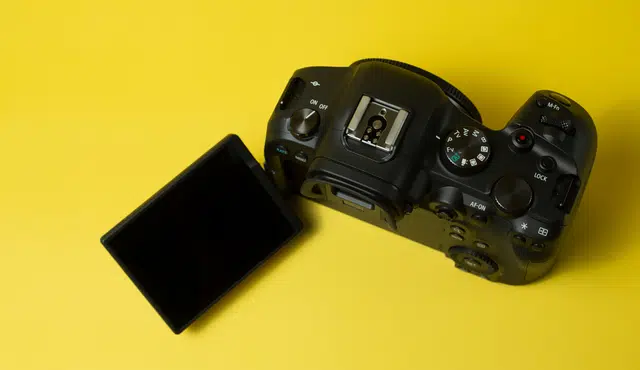
A shutter count tells you how many times a camera’s shutter has fired, and buyers use that number to judge how much mechanical life is left before they ever look at scratches or dust. If you’re getting ready to sell a DSLR or mirrorless body, that single figure can swing your offer by a meaningful percentage, but only when you pair it with the right context.
A camera with 40,000 actuations isn’t automatically worth more than one with 90,000. The shutter rating, the camera’s tier, and its physical condition all shape what a buyer is willing to pay. Getting the count right, and presenting it honestly, is one of the easiest ways to protect your resale price.
This matters because shutter count is measurable and specific in a market full of vague condition claims like “barely used” or “like new.” A verified number gives a buyer something concrete to check, and that builds trust fast. Sellers who skip this step often leave money on the table, or worse, get lowballed because a buyer assumes the worst.
How Does Shutter Count Affect Resale Value?
Shutter count is one of the strongest single predictors of a used camera’s price, but it works alongside other condition factors rather than on its own. A 2023 analysis of 1,844 used DSLRs found that shutter count explained 68% of price variance, compared to 12% for age and 9% for whether a lens was bundled in, according to research on what shutter count really means for resale. That same data showed a Nikon D810 with 62,300 actuations sold 14.2% above the median market price, while one at 198,700 actuations sold 22.7% below it, even with matching body condition scores.
What Does Shutter Count Measure?
Shutter count is the running total of mechanical shutter actuations since the camera left the factory. Every time the mechanical curtain opens and closes to take a photo, that number goes up by one. It’s stored in the image file’s metadata on most DSLRs and many mirrorless bodies, which is why a single sample photo can reveal a camera’s full shooting history.
Which Shutter Count Ranges Affect Price?
Buyers generally sort used cameras into rough bands, though none of these ranges is a hard rule. A commonly cited used-camera buying guide lists 0 to 10,000 actuations as excellent or lightly used, 10,000 to 25,000 as very good, 25,000 to 50,000 as normal wear, 50,000 to 100,000 as moderate to heavy use, and 100,000-plus as high usage that calls for a careful inspection, according to a shutter count range breakdown.
Those bands only mean something next to the camera’s rated shutter life. An entry-level DSLR like the Canon Rebel T7 is rated around 100,000 actuations, while enthusiast bodies land around 120,000 to 150,000, full-frame bodies like the Canon 5D Mark IV sit at 150,000, and pro flagships like the Canon 1D X or Nikon D6 are rated for 400,000 to 500,000, according to data on rated shutter life by camera tier. A count of 80,000 is near the end of life on an entry-level body but barely broken in on a flagship.
Some analyses report pricing cliffs at specific thresholds. One review of KEH’s 2024 transaction data found units with 250,000 to 299,999 actuations sold for 92.4% of comparable low-count units, while units at 300,000 to 349,999 dropped to 77.1%, according to a review of camera gear resale trends. Treat numbers like this as evidence from one dataset, not a guarantee that your specific camera will follow the same curve.
How Do You Compare Prices for the Same Model?
Compare your camera against sold listings for the same model, not asking prices. Asking prices reflect what a seller hopes to get; sold prices reflect what a buyer actually paid. Search completed sales on marketplaces for your exact model, and note the shutter count disclosed in each listing if the seller mentions it.
Match listings as closely as you can on these points:
- Same camera model and generation
- Similar shutter count range (within 20,000 to 30,000 actuations when possible)
- Comparable cosmetic condition
- Similar accessories included (battery, charger, original box, lens kit)
A handful of closely matched sold listings will tell you more about fair market value than a generic depreciation formula ever will. Depreciation schedules don’t account for shutter wear, and two cameras of the same age can carry very different actuation counts depending on how hard each one was worked.
What Else Changes a Camera’s Resale Value?
Shutter count is one input, not the full picture. Sensor cleanliness, lens mount wear, battery health, and any history of repairs all factor into what a buyer should pay, according to a guide on what shutter count can and cannot tell you. A low count with a scratched LCD and sticky buttons won’t command top dollar, and a higher count on a well-maintained body with clean glass can still sell well.
Shutter type matters too. Many mirrorless cameras shoot with an electronic shutter that has no moving parts to wear out, and some flagship bodies, including the Nikon Z9, Nikon Z8, and Sony a9 III, have no mechanical shutter at all. On those cameras, actuation count tells a buyer very little, and sensor condition, electronic viewfinder performance, and battery health carry more weight in setting price. If you’re selling a Nikon D850 DSLR camera or a Nikon D500 DSLR camera, both still rely on a mechanical shutter, so the count stays directly relevant to your asking price.
How Do You Check and Report Shutter Count Before Selling?

Checking shutter count takes a few minutes and a single sample photo from the camera. Canon and Nikon store the number in standard EXIF fields that most free tools can read, while Sony and Fujifilm sometimes require a workaround or simply don’t expose the figure at all.
How Do You Check Shutter Count on Canon and Nikon Cameras?
Take a fresh JPEG with the camera, then upload it to a free EXIF reader or shutter count checker. Canon stores the figure under a tag labeled “Shutter Count” or “Image Count,” and Nikon uses “Shutter Count” or “Image Number,” according to a guide on checking shutter count from EXIF data. Tools built around this metadata, including ShutterCountPro’s checker, can pull the number automatically once you upload an original file straight from the memory card.
Always use an unedited, uncompressed original. Exporting a photo through editing software or a messaging app often strips the metadata that holds the shutter count, so the file won’t read correctly.
How Do You Check Shutter Count on Sony and Fujifilm Cameras?
Sony and Fujifilm don’t always store the count in a place standard EXIF readers can find. Some recent Sony bodies and most Fujifilm cameras, including the X-T5, don’t publish a shutter rating or store an actuation count in standard EXIF at all, according to a breakdown of rated shutter life across camera brands. Fujifilm cameras that do expose a number may store it under an ImageCount field in the Fujifilm maker notes, which behaves differently depending on firmware.
If a reader comes back blank on one of these bodies, that’s not a sign something is wrong with the camera. It just means you’ll lean more heavily on physical inspection and verified shooting history when setting your price.
How Should You Disclose the Count in a Listing?
State the exact number, how you obtained it, and the shutter type if the camera supports more than one mode. A listing that says “shutter count: 34,218, verified from an original JPEG taken October 2026, mechanical shutter” gives a buyer far more confidence than “low shutter count” or “barely used.”
Mention whether the shot was taken with a mechanical or electronic shutter when the camera offers both, since mixing shooting modes can make the number understate or overstate real use. If you’ve had the shutter or main board replaced, say so. A replacement resets or changes the counter, and buyers who later discover a mismatch will question everything else in your listing.
Disclosing accurately protects your reputation and your sale. Private buyers walk away from listings that feel inflated or vague, and a precise, documented count tends to close faster. This same honesty applies whether you’re listing a Nikon D780 DSLR camera or an older body like a Nikon D3500 DSLR camera.
How Can You Get a Cash Quote Without a Shutter Count?
You can still get a fair offer even when a shutter count isn’t available or readable. Some mirrorless bodies don’t expose the figure, and some sellers simply don’t have the tools or time to dig through EXIF data before listing a camera.
Gizmogo lets you request a cash quote for your camera based on model, condition, and functionality, without requiring a verified shutter count first. This suits sellers who want a fast, no-pressure valuation instead of spending time hunting for metadata or waiting on a private buyer.
To get a quote, select your camera model, answer a short set of condition questions, and receive an offer you can accept or decline. If you’re ready to move forward, you can sell your camera directly, whether it’s a workhorse body like a Nikon D500 DSLR camera or a professional flagship like a Nikon D5 DSLR camera.