

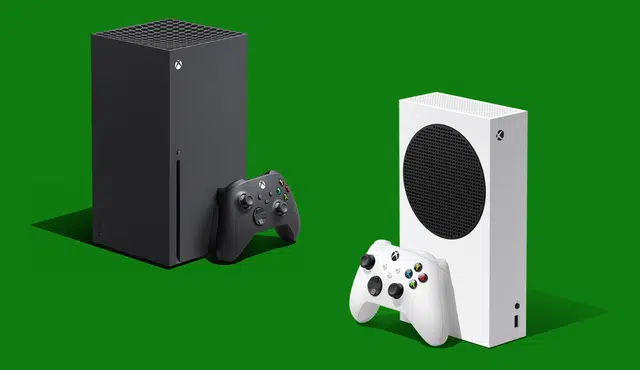
You want to know which console will give you more cash down the line, not just which one looks better on your shelf. Microsoft’s cheaper Series S has historically sold in higher numbers and often trades hands more frequently, but the Series X generally holds higher resale prices per unit because buyers pay a premium for its 4K-capable hardware.
This post breaks down resale trends, sales mix, and the specific factors that affect value retention so you can choose the console that makes the most financial sense for your situation. Expect clear comparisons of typical resale prices, how supply and demand shape market value, and what to watch for when selling or buying used.
You’ll learn when the compact, budget-friendly Series S outperforms the premium Series X and when the Series X’s stronger specs translate to better long-term value for your wallet.
Comparing Xbox Series X and Series S Resale Value
You can expect different resale outcomes depending on model, condition, and whether the console has a disc drive. Price trends, long-term depreciation, the presence of physical media capability, and buyer demand each drive what you can reasonably get when selling.
Current Resale Price Trends
Market listings and completed sales show the Xbox Series X generally commands higher resale prices than the Series S. A used Series X in good condition with original controller and packaging typically sells in a range that is noticeably above Series S listings on marketplaces and trade-in sites.
Series S often sells faster but lower; if you list for a quick sale you’ll see lower offers from retailers and individuals. Retail trade-in quotes (e.g., big chains and online trade sites) often undervalue both, but Series X retains more dollar value because of its higher launch price and perceived performance advantage.
Watch completed sales data and recent listings to price competitively. Use condition grades (like “good” vs “fair”) and include accessories to push the final sale price upward.
Depreciation Rates Over Time
Depreciation for both consoles accelerated in the first 1–3 years, then slowed as supply and demand balanced. The Series X started at a higher MSRP, so it loses more nominal dollars but often a similar percentage of value compared with the Series S.
When a new Xbox generation or major hardware refresh is announced, both models drop faster. However, because the Series X is positioned as the premium model, it has shown steadier mid-term value in marketplaces where buyers pay for better performance.
Condition, warranty status, and included accessories significantly affect depreciation. Well-cared-for consoles with minimal cosmetic wear and original packaging retain value best over time.
Impact of Physical Media and Disc Drive
The Series X’s disc drive increases its resale appeal to collectors and buyers who own physical games or want the option to play used discs. You can often justify a higher asking price for a Series X specifically because buyers value backwards-compatibility with discs and the ability to resell or trade physical games.
Series S’s lack of a disc drive limits buyers to digital libraries, which narrows the appeal and reduces value for those who prefer physical media. This difference becomes more pronounced in regions or buyer segments that rely on used games and disc sales.
If your buyer base cares about physical media, state the condition of the disc drive and include any original discs or inserts to improve offers.
Demand in the Used Console Market
Buyer demand favors the Series X among performance-focused buyers and collectors, while the Series S attracts budget-conscious gamers and impulse buyers. Demand spikes around holidays, major sales events, and when stock shortages of new units occur.
Competitive factors include local supply, shipping costs, and platform-specific marketplaces. For faster sales, list on high-traffic sites and price slightly below comparable completed listings. For higher returns, target collector forums, include proof of low usage, and provide clear photos.
Monitor completed sales and adjust pricing based on recent final sale prices rather than asking prices to match real buyer behavior.
Key Factors That Influence Value Retention
These are the practical features buyers look for: how many playable titles the console supports, whether your system includes controllers or accessories, and how subscription and cloud services affect demand and perceived value.
Backward Compatibility and Game Library
Buyers pay more for a console that runs a broad catalog of games. The Series X supports native Xbox One, many Xbox 360, and original Xbox titles through proven backward compatibility, which raises its appeal for collectors and players with large libraries. The Series S also benefits from backward compatibility and Smart Delivery—games you bought on Xbox often upgrade across both consoles—but its lower storage and lack of disc drive limit what you can keep and trade-ready.
When selling, highlight specific playable titles and compatibility examples. Mention any backwards-compatible discs you can’t use on a Series S and note installed game sizes so buyers understand storage constraints. That detail often increases perceived value more than vague claims about compatibility.
Role of Game Pass and Digital Services
Subscription services directly affect resale demand. Xbox Game Pass makes consoles attractive because buyers gain instant access to a wide library without buying many individual games. If your console has an active Game Pass subscription transferable or included with sale, state the remaining duration and type (Cloud, Console, or Ultimate). Cloud gaming compatibility matters too: Series S pairs well with Game Pass cloud-streaming, allowing access beyond local storage limits.
Be explicit about digital ownership. If most of your game library is digital, clarify which accounts, licenses, or transfer limitations exist—buyers often prefer consoles with clearer account transfer arrangements. List only what a buyer will actually retain after purchase to avoid disputes.
Controller and Accessories Inclusion
Including original controllers and cables raises resale price and speeds sale. A boxed Series X with controllers and original cables typically fetches more than a console sold with neither. For Series S, bundling the controller and any included Ethernet adapter or storage expansion (official Seagate expansion) significantly improves value because storage is the Series S’s main limitation.
Describe controller condition, model (e.g., Xbox Wireless Controller, updated textured grip), and whether accessories are official Microsoft parts. Note whether accessories enable features like Bluetooth or reduced input lag. Buyers treat accessories as immediate usable value, so clear, specific listings convert to higher offers.