

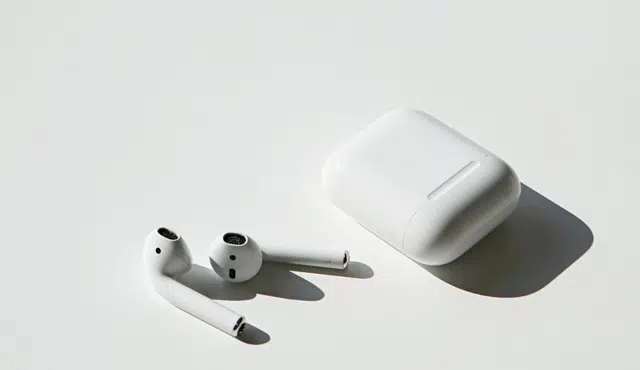
If your AirPods skip, die fast, or no longer block the noise you need them to, you waste time and money every time you use them. If battery life is falling, sound quality has declined, or features like active noise cancellation and Precision Finding are missing, selling now and upgrading can save you money and give you a noticeably better listening experience.
You’ll find clear signs to watch for that make selling sensible rather than sentimental, and practical upgrade options that won’t force you to overpay. The next sections break down the symptoms, the best ways to sell or recycle, and budget-friendly paths to an improved audio setup so you can decide with confidence.
5 Essential Signs It's Time to Sell Your Old AirPods
These clear signs show when repairing or waiting won’t give the performance you need. Acting on them can save money, improve daily use, and make selling easier while the devices still hold value.
1. Significantly Reduced Battery Life
You should expect at least several hours of listening per charge on modern AirPods and a full case recharge cycle that restores multiple charges. If your AirPods or charging case now drop to a single hour of use, die unexpectedly during calls, or show battery health under ~80% in Settings, the daily utility becomes unreliable.
Battery decline also affects charging case performance. If one AirPod fills and the other lags, or the case fails to hold charge overnight, replacements or service costs often approach the price difference to a new pair. That makes selling now practical while the case and buds still function and fetch a better resale price.
2. Noticeable Drop in Sound Quality
If your audio sounds thin, distorted, or you hear intermittent crackling, your AirPods may have degraded drivers or accumulated debris in the mesh and microphone ports. You should first clean the grills, reset the earbuds, and test across apps to rule out software causes.
Persistent problems after cleaning—loss of bass, muffled vocals, or inconsistent stereo balance—indicate hardware wear. This is common in older AirPods and affects models from standard AirPods to AirPods Pro and AirPods Max. Selling before sound failure becomes total helps you recover value and avoid buyer returns.
3. Outdated Features and Software Compatibility
You rely on features like Adaptive Audio, Transparency mode, or Precision Finding for convenience and safety. Older AirPods may lack these entirely or stop receiving firmware updates that improve stability and feature parity.
If your earbuds can’t support newer codecs, USB-C charging, or the latest Find My enhancements, you’ll miss longer-term improvements and ecosystem benefits. Selling outdated AirPods when they still pair reliably avoids being stuck with tech that won’t gain critical updates or integrate fully with newer iPhones and Macs.
4. Frequent Connectivity Issues
Dropped Bluetooth connections, repeated re-pairing, or uneven audio between left and right channels erode everyday usability. You should test with multiple devices and distances; short, consistent range on one phone but not another points to either device-specific settings or earbud hardware faults.
When resets, firmware installs, and network-setting clears don’t fix pairing instability, the internal antennas or Bluetooth modules may be failing. Those repairs are rarely cost-effective, so selling while the earbuds still connect intermittently is usually smarter than paying for uncertain fixes.
5. Loss of Active Noise Cancellation Performance
Active Noise Cancellation (ANC) and Adaptive Audio rely on microphones and internal processing. If ANC becomes weak, breathy, or introduces hiss, you should check ear tip seal (for AirPods Pro) and firmware first. Proper fit matters; a poor seal can mimic ANC failure.
When replacing tips and resets don’t restore strong ANC, internal mic degradation or processing faults are likely. That reduces the main value proposition of AirPods Pro and AirPods Max. Selling before ANC stops working entirely preserves resale value and lets you trade up to models with improved noise-canceling and Adaptive Audio behavior.
Smart Ways to Upgrade Your Listening Experience for Less
Sell or trade your old AirPods, consider certified refurbished units, and use buyback or trade-in credits toward a wireless charging case or an over-ear upgrade to lower out-of-pocket cost.
Selling Your Old AirPods: Where and How
Start by assessing condition and functionality: check battery health, pairing reliability, and case condition. Take clear photos showing serial number, charging port, and any wear. Reset and sanitize the earbuds and case before listing.
Use marketplaces that match your comfort level. For quick cash, sell to buyback sites (they give instant quotes) or trade-in on major retailers for store credit. For higher prices, list on peer-to-peer platforms; set a firm price slightly above the lowest comparable listing and be ready to negotiate.
Describe included items precisely: original box, wired or wireless charging case, extra tips, and charging cables. Disclose battery cycle issues or cosmetic scratches. Offer tracked shipping and a short return window to build buyer trust.
Choosing Between Refurbished and New AirPods
Refurbished AirPods often cost 20–40% less than new and can include a warranty and a replaced wireless charging case. Verify “certified refurbished” labeling and confirm battery replacement policies before buying.
Inspect the refurbisher’s warranty length and return policy. Prefer sellers that include at least a 90-day warranty and explicit battery health guarantees. Ask whether the charging case is original, replaced, or upgraded to wireless charging.
Balance features against price. If noise cancellation or spatial audio matters, compare current-gen refurbished models to new older-generation AirPods. Sometimes a refurbished newer model offers more value than a new older model.
Maximizing Value With Trade-In and Buyback Programs
Check manufacturer trade-ins first; Apple and major retailers offer trade-in credit that applies to new purchases, often simplifying upgrade to an AirPods model with a wireless charging case or to over-ear headphones like Beats or other brands.
Compare trade-in quotes across sites before selling independently. Buyback services give fast payment but usually lower returns than private sale. Use trade-in credit strategically: apply it during promotional periods or when retailers run bundle discounts for wireless charging cases or headphones.
Keep receipts, serial numbers, and original packaging to increase trade-in value. If you aim for over-ear headphones, trade-in credit can substantially close the price gap—combine it with seasonal sales to upgrade for less.