

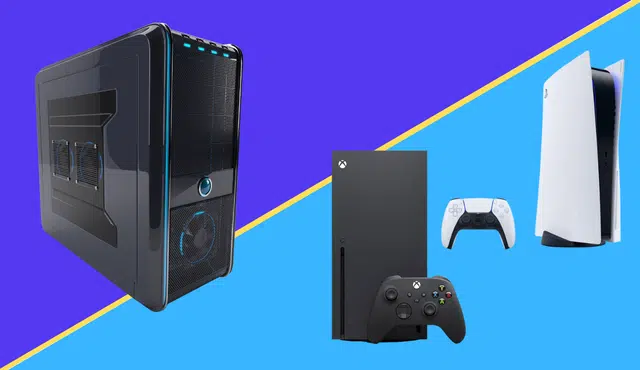
For budget gamers, the best choice between a cheap gaming PC and a budget console depends on total cost, not just the price on the box. A console usually costs less upfront and is easier to set up. A cheap gaming PC usually costs more at the beginning, but it can save money over time through cheaper game deals, free online multiplayer, upgrades, mods, and multipurpose use.
The simple answer is this: choose a budget console if you want the lowest starting cost and the easiest gaming experience. Choose a cheap gaming PC if you want more flexibility, lower long-term software costs, and a system that can also handle school, work, streaming, browsing, and creative projects.
The Main Difference: Upfront Cost vs Long-Term Value
A budget console is designed to get you gaming quickly. You buy the system, connect it to a TV, sign in, download or insert a game, and start playing. For many casual gamers, this simplicity is the biggest advantage.
A cheap gaming PC requires more decisions. You need to think about the processor, graphics card, RAM, storage, monitor, keyboard, mouse, and operating system. If you buy a prebuilt budget gaming PC, the setup is easier, but you still have more hardware choices than you would with a console.
The trade-off is control. A console gives you a fixed experience. A PC gives you a flexible platform. That difference affects what you pay now and what you may save later.
Budget Console: Best for the Lowest Starting Price
A budget console is often the better choice for gamers who want the lowest upfront cost. Systems such as the Xbox Series S, Nintendo Switch 2, or digital versions of major consoles can be less expensive than a full gaming PC setup, especially if you already own a TV.
The console advantage is strongest for players who want couch gaming, family gaming, sports games, racing games, platformers, and exclusive titles. Consoles are also easier for younger gamers or households that do not want to manage graphics settings, drivers, launchers, or hardware upgrades.
However, the sticker price does not tell the whole story. Console gamers often need to consider subscription costs for online multiplayer, cloud saves, game catalogs, or premium features. Individual console games can also stay expensive longer, especially first-party titles and new releases.
A budget console is best for gamers who value simplicity, exclusives, and plug-and-play convenience more than customization.
Cheap Gaming PC: Best for Long-Term Flexibility
A cheap gaming PC usually costs more than a budget console at the beginning, but it offers more value across several years. Even an entry-level gaming PC can play many esports titles, indie games, older AAA games, browser games, emulators where legal, and free-to-play games.
PC gaming also gives you access to multiple storefronts, including Steam, Epic Games Store, GOG, Microsoft Store, and publisher launchers. This competition often creates frequent discounts, bundles, free game promotions, and seasonal sales. Over time, those savings can matter as much as the hardware price.
Another major advantage is that a gaming PC is not only a gaming device. You can use it for homework, remote work, content creation, coding, video editing, photo editing, live streaming, and general productivity. For students and creators, this multipurpose value can make a cheap gaming PC a smarter purchase than a console.
A cheap gaming PC is best for gamers who want one device for both gaming and everyday computing.
Game Costs Can Change the Winner
Game prices are one of the biggest reasons the PC vs console debate is not only about hardware. A console may be cheaper on day one, but PC games are often easier to find at lower prices over time.
PC gamers can wait for major seasonal sales, compare prices across multiple stores, claim free weekly games, and build a large library without buying every title at launch. Free-to-play games are also strong on PC, especially in competitive genres like shooters, MOBAs, strategy games, and battle royale games.
Console gamers also get sales, subscriptions, and free-to-play titles, but the ecosystem is more controlled. If you buy a digital-only console, you may have fewer options for used physical games. If you buy a disc console, you may spend more upfront but gain access to used discs, trade-ins, and physical resale.
For budget gamers, the best strategy is to calculate the cost of the games you actually play. If you buy only a few games per year and love console exclusives, a console may still be cheaper. If you buy many games, wait for discounts, and enjoy indie or PC-first titles, a cheap gaming PC may save more over time.
Subscription Costs Matter
Console subscriptions can add convenience, but they also increase long-term cost. Many console players pay for online multiplayer, monthly games, cloud saves, or access to game catalogs. These services can be valuable, especially for players who try many games, but they should be included in the real cost of ownership.
PC gaming has subscriptions too, but online multiplayer is usually free for most PC games. You may still pay for services such as PC Game Pass, cloud gaming, or individual game memberships, but they are optional for many players.
A useful rule is to multiply any monthly subscription by 36 months. A low monthly fee can become a large part of your gaming budget over three years.
Performance: Console Consistency vs PC Choice
A budget console offers predictable performance. Developers optimize games for fixed hardware, which means you usually do not need to adjust graphics settings. This is helpful for players who want a stable experience without technical decisions.
A cheap gaming PC can vary widely. A well-chosen PC with a dedicated graphics card can perform very well at 1080p. A weak PC with integrated graphics may struggle with modern games. This is why PC buyers need to check the GPU, CPU, RAM, and storage before purchasing.
For a budget gaming PC in 2026, look for at least 16GB of RAM, SSD storage, and a dedicated graphics card if you want smooth modern gaming. Integrated graphics can work for lightweight games, but dedicated graphics are still better for serious gaming.
Upgrade and Repair Value
A console is simple, but it has limited upgrade options. You may be able to add storage, replace a controller, or upgrade accessories, but the core hardware stays the same.
A gaming PC can often be upgraded in stages. You can add more storage, upgrade RAM, replace the graphics card, or improve cooling depending on the system. This allows you to extend the life of the device without replacing everything at once.
Repairability also matters. A desktop PC is usually easier to repair than a console or gaming laptop. If one part fails, you may be able to replace only that part instead of buying a new system.
Which Should You Buy?
Buy a budget console if you want the easiest setup, the lowest starting cost, console exclusives, couch gaming, and a simple experience for family or casual play.
Buy a cheap gaming PC if you want lower long-term game costs, free online multiplayer in many games, upgrade options, mods, keyboard-and-mouse support, and one device for gaming plus productivity.
For most budget gamers, the console wins on simplicity and upfront price. The cheap gaming PC wins on flexibility and long-term value.
Before You Upgrade, Sell Your Old Tech
Whether you choose a cheap gaming PC or a budget console, you can lower your upgrade cost by selling old electronics. Used laptops, desktops, tablets, phones, gaming consoles, and accessories may still have trade-in value.
Gizmogo helps users sell used electronics online and recover value from devices they no longer need. If your old tech is still working, selling it can help fund your next gaming setup. If it is outdated or damaged, responsible recycling can help reduce electronic waste.
Final Verdict
A budget console is the better choice if you want affordable, simple gaming with minimal setup. A cheap gaming PC is the better choice if you want a flexible system that can save money over time and do more than play games.
The smartest decision is not “PC or console” in general. It is which option gives you the lowest total cost for the way you actually play.