

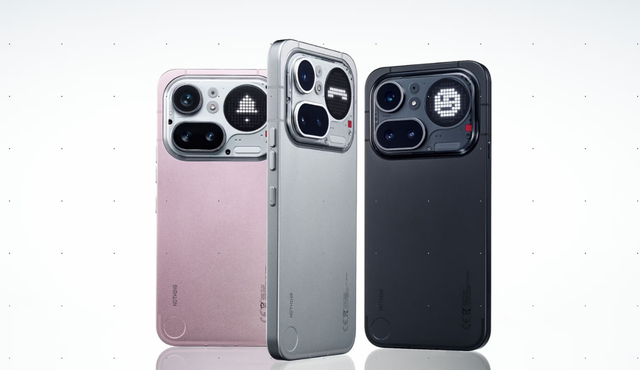
You might have been planning to pick up a wallet-friendly CMF Phone upgrade this year, but Nothing has pulled the plug. Nothing says it can’t build a CMF budget phone that feels like a genuine step forward at a price that makes sense because RAM costs have jumped. This decision reflects immediate economic pressure on low-cost devices and why a familiar bargain could vanish from shelves.
Expect a look behind the numbers, how Nothing and the CMF sub-brand weighed pricing versus product quality, and what this means for your options if you hunt for affordable phones. The article will explain the cost forces, industry reactions, and what the cancellation could mean for your next buy.
Economic Pressures Behind the CMF Phone Cancellation
You should understand that a sharp rise in memory costs and related component pressures directly made the CMF phone project financially unfeasible. Those cost drivers reshaped margins, retail pricing, and the product roadmap.
Soaring RAM and Memory Prices in 2026
You face higher per-unit memory costs because DRAM spot and contract prices roughly doubled in the months before the cancellation. That jump increased the BOM (bill of materials) for mid-range phones enough that Nothing could not hit the CMF Phone 2 Pro’s previous sub‑$250 value proposition without cutting features.
A global RAM shortage tightened supply, pushing suppliers to prioritize large OEMs and drive up lead times for smaller-volume runs. The result: higher procurement costs and greater price volatility for manufacturers targeting budget segments. When memory becomes the single most expensive component, as company statements noted, you see design and sourcing choices that were once viable disappear.
Component and Manufacturing Cost Dynamics
You must account for more than memory; PCB assemblies, testing, and shipping also rose during the same period. Increased memory prices compounded with higher logistics rates and factory overhead, so the cumulative component costs outpaced Nothing’s target margins for CMF devices.
Manufacturers often absorb short-term cost increases to preserve price points, but sustained memory inflation forces either feature cuts or price hikes. For a brand aiming to maintain a distinct low-cost identity, trimming RAM capacity or software polish would undermine perceived progress. You therefore witness product cancellations rather than downgrades when multiple cost lines shift upward simultaneously.
Impact on Pricing for Budget Devices
You should expect fewer true sub‑$250 Android options if memory costs stay elevated. Nothing specifically cited that the CMF Phone 2 Pro’s competitive positioning relied on RAM-driven value; with memory costs spiking, matching that price-performance balance became impossible without slashing specs.
Retail pricing pressure also affects channel partnerships and promotional strategies. If you raise the launch price to cover memory costs, you risk losing market share to rivals or diluting brand differentiation. That trade-off helps explain why Nothing paused the CMF phone launch instead of releasing a compromised model with lower RAM or reduced functionality.
Brand Decisions and Industry Reactions
Nothing paused its CMF follow-up after rising RAM costs made a competitively priced handset impossible while keeping expected performance and margins intact. The move forced clear public explanations from leadership and prompted competitors to reconsider entry-level hardware plans.
Nothing’s Strategic Response and Leadership Commentary
You see Nothing’s leadership choose transparency over a rushed launch. Co‑founder Akis Evangelidis confirmed on X that the successor to the CMF Phone 2 Pro would not meet CMF’s price-to-performance target under current DRAM and NAND pricing. He explained that a phone matching last year’s specs would cost roughly $320–$370 today versus $279 at launch, which would erode the sub‑brand’s value proposition.
CEO Carl Pei and Evangelidis framed the decision as strategic: exit a market segment rather than dilute the CMF identity. You should note they emphasized avoiding compromises to RAM and storage that would reduce user experience or damage long‑term brand trust. Their statements put accountability in public view and set expectations for future timing and specs.
Adjustments Across the Smartphone Market
You should expect other budget-focused makers to follow similar pivots. Memory prices have been driven up by AI data‑center demand, shifting DRAM and NAND allocations toward high‑margin OEMs and server buyers. That dynamic forces brands to either raise prices, cut RAM/ storage tiers, or delay launches during the smartphone launch season.
Leaders at larger firms, including suppliers to Apple and Samsung, now face allocation choices that can influence what you see at retail. Analysts note mid‑ and low‑end models are most vulnerable; premium flagships can absorb memory cost increases more easily. The industry reaction includes paused roadmaps, revised spec sheets, and conversations about longer product cycles to preserve profitability.
Impact on CMF’s Product Roadmap
You should expect CMF to slow its annual cadence and prioritize bigger generational jumps over incremental refreshes. The canceled CMF Phone successor means planned upgrades—more RAM, improved cameras, or a newer chipset—will either be deferred or reworked into a more expensive model. That changes CMF’s timeline for regaining momentum after earning accolades like Budget Phone of the Year for the CMF Phone 2 Pro.
Internally, product teams must reassess BOM targets, supplier contracts, and SKU counts. For you as a buyer, this likely means fewer aggressive low‑price launches this cycle and potentially longer waits for a genuinely upgraded CMF device.
Consequences for Consumers and the Industry
Rising memory costs force trade-offs across price, specs, and product timing. Expect fewer low-cost devices, altered feature sets, and a stronger push toward alternative product lines that preserve margins.
Fewer Budget Phone Options and Changed Value Propositions
You will see fewer genuinely low-cost phones that match last-generation performance. With Nothing cancelling the CMF Phone 3 Pro, the CMF sub-brand loses a projected mid-range entry that would have competed on memory and smoothness versus rivals. That raises the effective floor for usable RAM and storage in phones priced under typical mid-range thresholds.
Manufacturers may respond by trimming nonessential features, using lower-capacity RAM, or delaying launches until prices ease. For you, that means either paying more for the same perceived speed or accepting slower multitasking and shorter update windows on budget models like the CMF Phone 2 Pro-era devices. Check spec sheets for actual RAM and software update guarantees before buying.
Shifts in Product Categories and Market Segmentation
You will notice brands reallocating resources away from tight-margin mid-range phones toward devices and categories with better margins. Nothing may push CMF toward accessories, IoT gadgets, or lower-volume specialty hardware where memory costs matter less per unit. That aligns with the company hinting at “several new products launching as well as some entirely new categories.”
Carriers and retailers will also re-segment offerings: fewer inexpensive flagship alternatives, more trimmed-down budget models, and expanded financing to bridge price gaps. Analysts expect an industry-wide price bump on 2026 models tied to memory, which will shift consumer demand upward toward devices that justify the higher cost with longer support or unique features.
What’s Next for Nothing and CMF
You should expect Nothing to postpone CMF’s next phone until it can meet the brand’s value goals or pivot CMF into adjacent categories. Akis Evangelidis framed the cancellation as a pricing decision, not a product stop; that suggests CMF could return with redesigned specs or different form factors once memory stabilizes.
Nothing’s Phone efforts will likely continue on flagship and near-flagship lines while CMF experiments with lower-risk launches. For you, this means potential short-term gaps in affordable Nothing phones but a higher chance of new accessories or niche devices under the CMF name that avoid the same RAM-driven cost pressures. Consider waiting for official spec and pricing announcements before committing to a purchase.
Nothing’s decision to cancel the CMF Phone 3 Pro isn’t just a story about one company — it’s a signal that the budget phone market is under real pressure. When RAM costs double and a $279 phone suddenly costs $320–$370 to build, the value proposition that made budget Android so compelling starts to erode across the board. Fewer options, higher floors, and longer waits between meaningful upgrades are likely the new normal for at least this cycle.
That makes right now a particularly smart time to sell your current Android device. Trade-in values tend to soften when the replacement pipeline thins out and buyers have fewer reasons to upgrade. At Gizmogo, you can lock in a strong offer today — get an instant free quote at gizmogo.com, ship your phone for free, and get paid fast. Whether you’re holding a Nothing Phone, a Samsung, or any other Android, don’t wait for the market to catch up.