

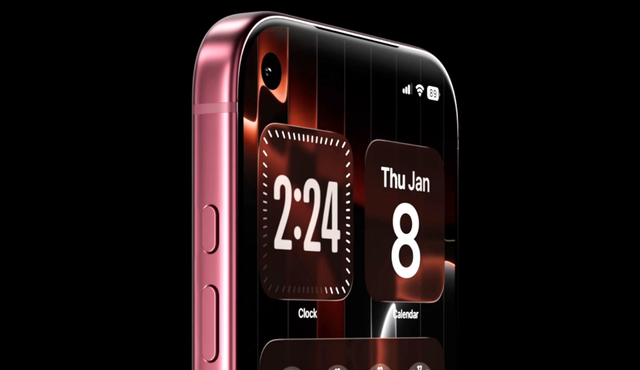
If you’re thinking about upgrading, waiting for the iPhone 18 Pro could give you clear, tangible gains across design, performance, and camera systems that matter day to day. Expect improvements like a thinner Dynamic Island or under‑display Face ID, a more efficient A20 chip, longer battery life, and camera upgrades that change low‑light and portrait shots.
You’ll also want to weigh Apple’s reported two‑phase rollout and how the iPhone 18 Pro and iPhone 18 Pro Max may arrive months before the rest of the iPhone 18 series, which can affect trade‑in timing and long‑term value. This article breaks down those changes and the hardware and software upgrades so you can decide whether to upgrade now or wait.
Design Innovations and Build Quality
Apple tightens tolerances and shifts materials to improve durability, color uniformity, and repair outcomes while slightly increasing device thickness. Expect a thicker Pro Max with a larger battery, refined rear glass fit, and new color finishes tied to reduced after-sales repair variance.
Refined Rear Panel and Seamless Color Matching
Apple has reportedly adjusted the back-glass replacement process to reduce visible color differences between Ceramic Shield 2 and the aluminum frame. That matters if you ever replace rear glass: color mismatch and sheen shifts become less noticeable, so repaired units look closer to stock.
You’ll still see the familiar triangular triple-camera plateau from the iPhone 17 Pro lineage, but leaks suggest Apple will smooth the transition between the camera “plateau” and the rear panel. A tighter gap and improved adhesives reduce dust ingress and make the rear surface appear more seamless.
Those changes also help resale value. Devices that return from service with consistent color and texture present better on used-device listings and avoid the “patched” look common after repairs.
Thicker Chassis for Enhanced Durability
Reports indicate the iPhone 18 Pro Max may be slightly thicker—enough to house a 5,100–5,200 mAh battery—and marginally heavier than the iPhone 17 Pro Max. The extra millimeters let Apple increase internal structural reinforcement and add larger impact-absorbing frames.
You’ll gain real-world benefits: improved drop resistance and less chassis flex under pressure. A thicker body also provides room for design features like variable aperture camera elements without forcing tighter mechanical tolerances.
Be aware of trade-offs. Cases designed for iPhone 16 Pro or 17 Pro may fit less snugly, and added weight changes pocket comfort. But if durability and longer battery runtime matter, a thicker chassis is a practical compromise.
Aluminum Frame and Ceramic Shield 2 Improvements
Apple appears to have refined the aluminum frame finishing and how the new Ceramic Shield 2 glass meets that frame. The goal: a more uniform edge color and reduced visible seam where glass meets metal. That improves perceived build quality when you hold the device.
Ceramic Shield 2 continues to prioritize drop protection, while the revised frame-glass interface aims to lower repair costs by reducing post-repair mismatches that often trigger multiple part replacements. You should see fewer warranty disputes over “different-looking” replacement panels.
The aluminum treatment also targets scratch resistance and grip. Smaller design tweaks compared with the iPhone 14 Pro era focus on cohesion rather than radical materials shifts, so expect incremental but meaningful improvements in day-to-day durability.
New and Distinctive Color Options
Apple is testing several finishes for this generation, including a deep red variant and light blue, dark cherry, dark gray, and silver tones. Rumors suggest Apple may drop black from the Pro palette, pushing richer colors that pair with the refined rear-to-frame matching.
Color choices matter beyond aesthetics. A darker or deeper hue can mask minor micro-abrasions; lighter finishes show fewer fingerprints. Apple’s intent with new colors appears practical: present fresh options while ensuring each color aligns with the new back-glass replacement process to avoid visible repair mismatch.
If color is important for resale or service appearance, pick a finish that balances everyday wear visibility with your style preference. For a conservative look, dark gray or silver remain safe; for a standout device, consider the tested deep red or light blue.
Performance, Battery, and Connectivity Advancements
You’ll get faster on-device processing, longer real-world battery life, and broader network options for remote areas and high-bandwidth use. Expect improvements from a new chip node, larger cells, a modem shift, and upgraded on-device AI.
A20 Pro Chip and 2nm Process for Speed and Efficiency
Apple’s A20 Pro chip reportedly moves to a 2nm-class TSMC process, which increases transistor density and reduces power draw compared with previous nodes. That means higher sustained CPU and GPU clocks during heavy tasks like 4K video export or gaming, with less thermal throttling.
The A20 Pro also targets AI workloads: a beefed-up Neural Engine accelerates on-device ML for photo processing, live video effects, and Siri responses. You should see faster computational photography, lower latency for voice and image tasks, and reduced cloud reliance for privacy-sensitive operations.
Expect standard RAM increases alongside the new silicon, which helps multitasking and large-project mobile editing. These combined changes translate to smoother everyday performance and meaningful efficiency gains rather than only peak benchmarks.
Expanded Battery Life and Bigger Battery Design
Reports suggest Apple will enlarge the Pro Max battery to roughly 5,088–5,200 mAh in the largest model. In practical terms, that should extend mixed-use runtime by an estimated 10–15% compared with the prior generation, depending on display settings and network use.
Apple may also use stacked-cell chemistry and improved power management tied to the A20 Pro to reduce energy loss under load. That helps maintain longer screen-on time during GPS navigation, video streaming, or extended photo sessions without adding excessive thickness.
Charge speeds likely remain in the 30W wired and around 25W wireless range, so the main gains come from capacity and efficiency rather than radically faster charging. If battery longevity matters to you, the bigger cell plus process-level power savings will be the most noticeable changes.
Introduction of the C2 Modem and Satellite 5G Capabilities
Apple’s shift toward an in-house C2 modem aims to reduce dependence on third-party modems and improve integration with the A20 Pro. You should expect better power efficiency for cellular radios and tighter control over carrier feature support, including mmWave 5G where carriers provide it.
Parallel to the modem work, Apple plans to roll out satellite-based 5G internet on select models. That capability will let you maintain data connections outside traditional coverage by linking to low-bandwidth satellite services—useful for emergency messaging and basic connectivity in remote areas. Early reports name Globalstar as a likely partner for satellite links.
Keep in mind satellite 5G won’t match terrestrial throughput for heavy tasks, but it will offer a crucial fallback for text, low-bitrate voice, and limited data transfers when terrestrial 5G or LTE is unavailable.
Apple Intelligence and Neural Engine Upgrades
Apple Intelligence moves more workloads onto-device, and the A20 Pro’s Neural Engine reportedly receives major throughput and memory-bandwidth upgrades. That improves real-time features: on-device text generation, live transcription, advanced image processing, and smarter Siri interactions.
Faster neural inference reduces latency for tasks such as on-device photo retouching, scene recognition, and AI-assisted camera modes. It also lowers reliance on round-trip cloud processing, which helps privacy and reduces data use on metered connections.
You’ll notice these upgrades in concrete ways: quicker Smart HDR processing, faster multi-frame noise reduction, and more responsive predictive text or automation. For developers, expanded on-device ML headroom enables more sophisticated apps without always requiring server-side models.
Display, Camera, and User Experience Enhancements
Expect a tighter front‑camera cutout, a more flexible main lens, and camera hardware changes that aim to improve low‑light shots, dynamic range, and how you interact with the camera controls.
Smaller Dynamic Island and Under-Display Face ID
Apple appears to be shrinking the Dynamic Island rather than removing it outright, which reduces the visible footprint of the TrueDepth system while keeping status and interaction space intact. Reports indicate the cutout may shrink by roughly one‑third in width, moving from the current large island toward a much narrower profile or a small pinhole-style opening in the upper-left corner.
Under‑screen Face ID testing also continues. If Apple moves some Face ID components beneath the display, you’ll get fewer screen interruptions and a more uniform bezel-to-glass look. Expect a phased approach: a smaller Dynamic Island this year and potential full under‑screen Face ID later, depending on reliability of imaging and IR transmit/receive performance.
Variable Aperture Lens and Advanced Camera Hardware
The main rear camera on the iPhone 18 Pro is reported to gain a variable aperture. That change gives you physical control over light entering the sensor: wider for low‑light shots, narrower for brighter scenes and deeper depth of field. In practice this means improved subject separation and less reliance on computational blur for portrait-style effects.
A variable aperture also helps exposure control during video and mixed lighting. Paired with a more efficient A20 platform and improved ISP, you should see faster switching between aperture states and reduced artifacts when the lens changes. The combination targets more natural bokeh and better detail retention across highlights and shadows.
Camera Miniaturization and Stacked Image Sensor Technology
Apple and its suppliers are reportedly pursuing camera miniaturization to shrink front‑facing hardware and enable a smaller Dynamic Island or pinhole camera. That work includes tighter packaging of TrueDepth components and new miniaturized optics so the visible cutout can be reduced without sacrificing Face ID accuracy.
On the rear camera side, a three‑layer stacked image sensor from Samsung (three‑layer PD-TR-Logic style) could appear. A stacked sensor improves readout speed, noise reduction, and dynamic range by separating photodiodes, logic, and memory. For you, that means faster autofocus, less motion blur in quick scenes, and cleaner detail in high‑contrast shots — especially when combined with a variable aperture and improved ISP.
Improved Camera Control and Low-Light Performance
Apple reportedly simplified the Camera Control button to a force-only design to reduce component complexity and repair costs. You’ll still get pressure-based actions for shutter and mode changes, but capacitive gestures may be removed. The goal is to preserve core tactile controls while lowering failure points in the assembly.
Low‑light performance should benefit from the larger sensor stack and variable aperture. Expect better signal-to-noise ratios, wider dynamic range, and improved detail in shadows. Combined system improvements — sensor stack, aperture control, and ISP tuning — will reduce reliance on aggressive frame stacking and deliver cleaner single-frame results in dim conditions.
Relevant reporting and leaks discuss a smaller Dynamic Island and under‑screen testing, the variable aperture on the main rear camera, camera miniaturization efforts, and new stacked sensors. For more on the rumored Dynamic Island changes, see the MacRumors coverage.
Release Cycle Changes and Long-Term Value
Apple’s launch timing now affects which model captures holiday sales and how long new hardware retains value. Staggered releases, delayed vanilla models, and a late foldable all change upgrade incentives and resale dynamics.
Two-Phase Rollout and iPhone Launch Timeline
Apple appears to be moving to a two-phase rollout that separates Pro-family launches from the mainstream iPhone. Reports and leaks indicate the iPhone 18 Pro and 18 Pro Max will ship in September while the standard iPhone 18 may arrive in spring 2027, and the foldable iPhone Ultra could follow in November. That staging gives each model an uncluttered sales window and shifts buyer attention toward higher-margin Pro units during the holiday quarter.
You should expect a compressed autumn lineup: two premium models now dominate initial inventory and carrier promotions. If you buy in September, you’ll likely choose between the Pro and Pro Max without the cheaper vanilla option available. That changes trade-in timing and promotional pricing across carriers and retailers.
Total Cost of Ownership and Upgrade Considerations
Delaying the base iPhone raises the short-term average selling price and could push budget-conscious buyers toward Pro models. For you, this means higher upfront cost if you want the latest device immediately. Consider resale value: Pro models usually hold value better in the first 6–12 months, but supply-driven price premiums can compress long-term gains.
Factor in software support, battery longevity, and accessory compatibility. If your current phone is functioning well, waiting for the spring iPhone 18 could save you several hundred dollars or let you buy a less expensive iPhone 18e alternative. Use a simple checklist: immediate need, trade-in value, carrier discounts, and how long you plan to keep the device.
Expert Insights from Analysts and Supply Chain Leaks
Industry analysts and leakers have signaled this shift for months. Coverage from outlets like Forbes on Apple’s staggered strategy cites supply-chain constraints and deliberate margin management as reasons for the split rollout. Analysts such as Ross Young and supply-chain commentators — including Jeff Pu and accounts aggregated by MacRumors — have repeatedly flagged component timing that benefits a staged launch.
You should weigh those claims against recurring patterns: Apple delayed high-complexity models before (e.g., iPhone X). Leakers like Ice Universe and Digital Chat Station provide design and timing clues, but their specifics can shift. Treat analyst forecasts and supply-chain leaks as high-value signals, not final commitments, when deciding whether to upgrade now or wait.
The iPhone 18 Pro makes a strong case for waiting. Variable aperture, a smaller Dynamic Island, the A20 Pro chip, a bigger battery, and a potential under-display Face ID aren’t incremental tweaks — they’re the kind of changes that will be noticeable every single day. Add Apple’s two-phase rollout to the picture and the Pro models become the clear priority purchase this fall.
But here’s what most upgrade guides skip: timing your trade-in matters just as much as timing your purchase. iPhone trade-in values start to slide the moment a new model is announced, and they drop further once it ships. The smartest move is to sell your current iPhone now, while demand is still steady and values are strong. At Gizmogo, you can get a free instant quote in seconds, ship your device for free, and get paid fast — no listings, no negotiations, no waiting on a stranger to follow through. Get your free quote at gizmogo.com and walk into launch day with cash already in hand.