

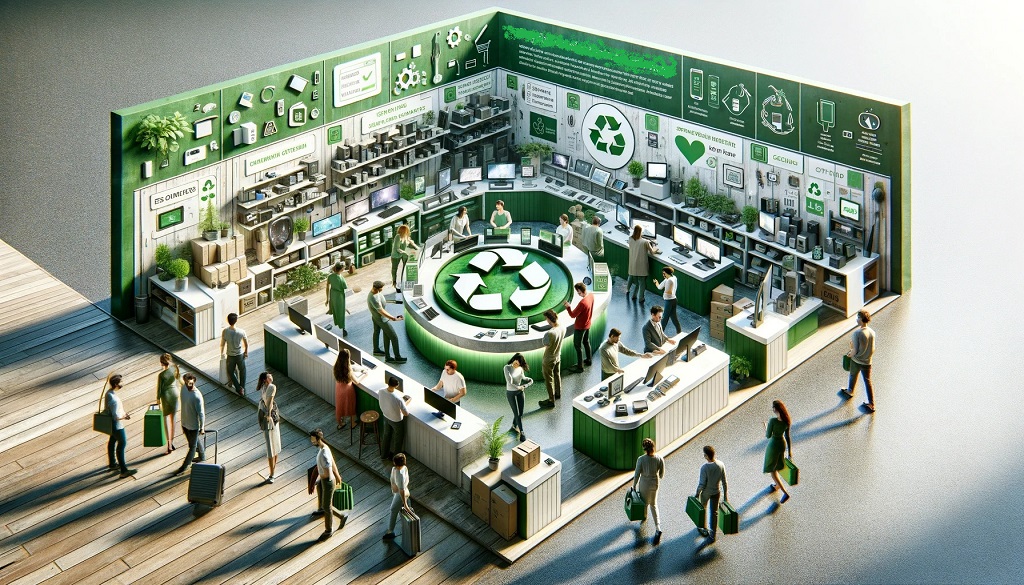
Old electronics often sit unused in drawers, closets, or storage boxes. Instead of letting outdated phones, laptops, tablets, or accessories gather dust, you can turn them into cash through electronics recycling.
When you understand how the process works, you can prepare, price, and sell your devices more effectively. With the right approach, you can recycle electronics for money while clearing space and handling your old equipment responsibly.
Why Recycle Electronics for Money?
You can get paid cash for devices you no longer use, including older or damaged items. Many electronics still contain valuable parts and metals, which gives them resale or recycling value.
Recycling also reduces environmental harm. When you recycle e‑waste properly, you keep hazardous materials like mercury out of landfills and allow components such as glass and precious metals to be recovered and reused.
Some programs direct part of their proceeds to community or environmental efforts. By choosing responsible recycling options, you may support initiatives that fund charities or sustainability projects.
You also regain physical space in your home or office. Removing outdated computers, phones, and accessories clears storage areas and reduces clutter.
Key benefits include:
- The opportunity to get paid cash for unused devices
- Lower environmental impact
- Support for charitable or environmental programs
- More usable space in your home
- A straightforward process
Once you understand where and how to recycle, the steps require minimal effort. You turn unused electronics into value while ensuring they receive proper handling and processing.
How to Get Your Devices Ready for Responsible Recycling
Prepare your electronics carefully to protect your information and improve their resale or recycling value. Take a few deliberate steps before you hand anything over.
Secure your information
- Back up photos, documents, and other files you want to keep.
- Remove SIM and memory cards.
- Perform a factory reset or full wipe.
- Request secure data destruction or certified data destruction when available, especially for laptops and hard drives.
Many recyclers explain how to wipe devices safely in guides such as this overview of how to prepare electronics for recycling.
- Check condition and completeness
Task | Why it matters |
Power the device on | Confirms basic functionality |
Note visible damage | Affects valuation |
Include chargers and cables | Increases completeness and appraisal value |
- Clean and package properly
Wipe screens and casings to remove dust and residue. Clean devices present better for inspection and testing.
If you use a mail‑back program, attach the provided prepaid shipping label securely and pack items to prevent damage during transit.
How Recycling Programs Determine the Value of Your Devices
Recycling centers and electronics trade-in platforms review specific criteria before issuing an instant quote or preparing a custom quote. You receive payment based on resale potential, material recovery value, and current demand in secondary markets.
Programs typically evaluate:
- Brand reputation – Well-known manufacturers often retain stronger resale demand than lesser-known labels.
- Model and technical specs – Newer releases and higher-performance configurations usually qualify for better offers.
- Device age – Products from the last few years attract more competitive pricing than older generations.
- Working condition – Fully functional equipment earns more than items valued only for parts or scrap.
- Physical appearance – Visible cracks, dents, or heavy wear reduce appeal and lower payout amounts.
- Included accessories – Original chargers, cables, and components can increase your appraisal.
- Modifications – Non-standard alterations may reduce eligibility in certain buyback programs.
Some companies provide structured trade-in programs with fixed pricing tiers, while others issue personalized offers after inspection. You can compare multiple quotes to ensure your device aligns with current market rates.
Smart Guidelines for Managing Your Electronics Recycling Process
Handle shipping with care to support responsible recycling and effective IT asset disposition. Pack devices in their original boxes when available, or use sturdy cartons with protective padding to reduce damage during transit.
- Secure packages with strong tape.
- Attach all provided program labels clearly.
- Follow carrier rules for electronic equipment.
Keep detailed documentation for every item you send. Save digital confirmations, claim numbers, and printed receipts so you can verify device details and quoted values.
Create a simple tracking table like this:
Item Description | Recycler | Claim ID | Date Sent | Expected Value | Payment Received |
Use traceable shipping services and purchase insurance for higher-value equipment. Monitor claim progress through the recycler’s customer service channels and confirm payment once processing is complete.
These steps protect your data, support accountability, and ensure your electronics move through the recycling chain in a controlled and documented manner.
Handling Broken or Non-Working Electronics
When your device will not turn on, has a cracked screen, or shows water or internal damage, you still have responsible disposal paths. You do not need to throw it in the trash.
Community e‑waste programs accept electronics in any condition. Many municipalities schedule collection events or operate drop-off sites that take damaged items without requiring them to function.
Scrap material recovery services evaluate devices based on reclaimable materials rather than usability. Older electronics often contain copper, aluminum, and small amounts of precious metals. Some recycling companies purchase non-working equipment and calculate payment by weight after separating valuable materials.
Selling for components offers another option. Even if the device fails, parts such as speakers, cameras, circuit boards, or memory modules may still function. You can list the item “for parts” on resale platforms to reach repair shops or hobbyists who need affordable replacements.
Creative reuse networks may also accept damaged electronics. Art groups, schools, and maker spaces often repurpose circuit boards and hardware for educational or design projects.
Increase the Value You Get From Recycling Electronics
Prepare your devices with care and choose reliable buyers to protect your payout. Erase data, reset hardware, and confirm quoted prices before you ship.
Use these steps to strengthen your return:
- Bundle devices together to raise your total payment. Selling phones, tablets, and accessories in one batch often increases combined value.
- Compare multiple quotes through platforms like SellCell to see which buyer offers the highest rate.
- Watch product launch cycles since trade‑in values can shift when new models arrive.
- Look for sign‑up bonuses or limited promotions that add extra credit.
- Review tax considerations if you previously deducted the equipment as a business expense.
Check logistics and payment details before finalizing a deal. Many reputable programs provide free shipping, offer quick pay, and deposit funds through direct deposit for added security.
Ready To Start Recycling Your Electronics?
Take action by preparing each device before you request a quote. Erase all personal data, sign out of accounts, remove SIM or memory cards, and restore factory settings. Then clean the exterior and confirm that the device powers on and functions properly.
Next, compare offers from multiple buyback services. Platforms such as ecoATM kiosks, Swappa, Amazon Trade-In, ItsWorthMore, BuyBackWorld, and Decluttr each use different pricing models. Reviewing several quotes helps you identify the strongest return for your specific model and condition.
Use this quick checklist before shipping or dropping off your device:
- Back up and wipe all data
- Test buttons, cameras, and charging ports
- Photograph the device for records
- Pack with padding to prevent damage
- Keep confirmation emails and tracking numbers
If your device has damage, do not discard it immediately. Some programs still accept broken electronics for reduced value, and individual parts may retain resale potential.
Choose payment methods that fit your needs, whether cash, direct deposit, PayPal, or store credit. By organizing the process and documenting each step, you protect yourself and improve the chance of receiving the full quoted amount.
Your unused electronics can move from storage drawers into circulation again—freeing space while putting money back in your pocket.