

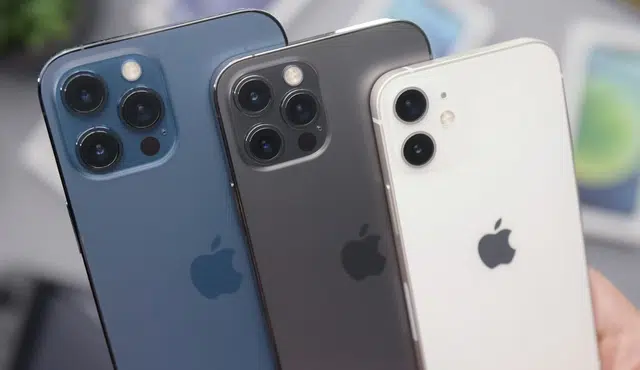
Every new Apple launch changes the resale market overnight. If you plan to upgrade, your timing can mean the difference between getting top dollar and watching your iPhone lose value within weeks.
You will usually get the most money by selling your iPhone two to three weeks before Apple announces a new model, not after the launch. Once Apple reveals the next device, resale and trade‑in values often drop as supply increases and demand shifts to the newest release.
In this guide, you’ll see why timing affects price, how pre‑launch and post‑launch windows compare, and which selling method fits your situation. You’ll also learn how to prepare your iPhone properly and how upcoming launches may shape the resale market, so you can make a clear, informed decision before the next announcement hits.
Why Timing Matters When Selling Your iPhone
Your iPhone trade-in value can change within days of a new Apple announcement. If you plan to upgrade to the iPhone 16 Pro Max or wait for the iPhone 17 launch, timing directly affects how much cash or credit you receive.
Depreciation Patterns Around New Launches
iPhone depreciation follows a predictable cycle. Values remain relatively stable through early summer, then begin to slide in the four to six weeks before Apple’s September event.
You typically see the strongest phone resale value one to two months before launch, when demand stays high and supply has not yet flooded the resale market. Analysts consistently recommend selling before the next model is announced, including guidance from best time to sell your iPhone before the next model is released.
Once Apple confirms a date, resale platforms adjust pricing quickly. Buyers anticipate price drops, and trade-in value falls in response. Even if retail pricing for the new iPhone 16 or iPhone 17 remains unchanged, your older device immediately competes with a newer model at the same starting price.
If you wait until after launch day, depreciation accelerates. That shift can reduce your payout within weeks.
How Launch Announcements Affect Trade-In Value
The announcement itself often triggers the largest short-term drop. As soon as Apple unveils a new model, carriers and buyback companies update their pricing algorithms.
According to research on how much iPhone value drops after a new release, older models can lose up to 30% of their value almost overnight once the new device becomes official. That decline does not always hit every model equally, but flagship variants often see sharper adjustments.
You also compete with thousands of other sellers who decide to upgrade at the same time. Increased supply pushes phone resale value lower, especially for recent Pro and Pro Max models.
If you want to keep using your device while securing a strong trade-in value, some platforms allow a short price lock. That option protects you from sudden drops between announcement day and the iPhone 17 launch window.
Historical Value Drops for Recent iPhone Models
Recent data shows how quickly values shift. In 2023, the iPhone 14 Pro Max 1TB lost $104 in the 14 days leading up to release day, according to SellCell trade-in data on optimal selling dates.
Over a four-week period before launch, that same model dropped $133. Higher-storage flagship models, such as the iPhone 14 Pro Max 1TB, often experience the steepest declines because they start with higher resale prices.
Older models, such as the iPhone 12 series, showed smaller percentage swings but already carried heavier long-term depreciation. By the time a device reaches three years old, much of its original MSRP has already eroded.
These patterns suggest that if you plan to upgrade to the iPhone 16 or prepare for the iPhone 17 launch, selling roughly two to four weeks before release often protects the most value.
Best Time to Sell: Before vs After a New Apple Launch

You can gain or lose $75–$150 in a matter of weeks depending on when you sell. The most reliable strategy is to act shortly before Apple announces a new iPhone and protect your value with a time-limited quote.
Optimal Selling Window and 30-Day Price Lock
Sell 10–21 days before Apple’s September announcement, which typically falls in the second week of the month. In most years, that means late August through early September.
Resale tracking data reported by platforms like SellCell shows values decline sharply once a new model becomes official. Buyers adjust quickly, and older devices lose perceived value even if nothing changes technically.
Use a 30-day price lock to protect yourself. Apple and many carriers allow you to secure an iPhone trade-in quote for 14–30 days before you ship your device.
Lock your quote before launch, then ship promptly. If you wait until after the keynote, you risk an immediate downward adjustment.
Impact of Selling During Launch Week
Launch week creates volatility. Apple announces the new iPhone, media coverage intensifies, and resale listings surge as people upgrade.
If you sell during launch week, expect offers to drop 8–12% compared to pre-announcement pricing. You may still secure a fair price, but you will not capture peak demand.
At the same time, carriers often introduce aggressive trade-in promotions tied to new device preorders. Some offers inflate trade-in credits significantly, but they usually require:
- A qualifying unlimited plan
- Bill credits over 24–36 months
- Purchase of a new device
In certain cases, a strong promotion can outperform a private sale. Evaluate the full cost of the plan before deciding.
What to Do If You Miss the Ideal Window
If you miss the pre-launch window, do not rush into a low offer. Prices often stabilize about 3–4 weeks after release once the initial trade-in wave slows.
You have three practical options:
Timing | What to Expect | Best Move |
1–2 weeks after launch | Sharpest price drop | Compare private sale vs carrier promotion |
1 month after launch | Stabilized lower pricing | Sell if you no longer need the device |
Holiday season | Slight demand bump | List competitively |
You can also consider trading in before the next cycle rather than holding too long. As noted in guidance about trading in your iPhone before the next one comes out, once your phone becomes two generations old, resale value declines more quickly.
If you plan to upgrade annually, set a calendar reminder for mid-August. Acting early protects your value more consistently than trying to time market reactions after launch week.
Where and How to Sell Your iPhone for Maximum Value
You can trade your iPhone directly to Apple, accept carrier bill credits, or sell it yourself through online platforms. Each path affects how much money you receive, how quickly you get paid, and whether you receive cash or store credit.
Apple Trade-In Program and Alternatives
Apple’s Apple Trade-In program lets you apply your phone’s value toward a new device or receive an Apple Gift Card. The process runs inside the checkout flow, which makes it simple and fast.
However, payouts often come in below what private buyers will pay. Devices with cracked screens or battery issues may receive reduced offers, and you usually get store credit rather than cash.
Review Apple’s official terms through its iPhone trade-in and selling guide before you commit. If you want cash instead of credit, compare buyback platforms.
Sites like SellCell’s iPhone comparison tool aggregate offers from multiple buyers so you can see competing quotes at once. Dedicated resellers such as Gazelle also provide prepaid shipping and fixed offers, which reduce negotiation and listing time.
Key considerations:
- Payment type: store credit vs. cash
- Condition grading rules
- Final inspection adjustments
- Processing time after delivery
Carrier Trade-In Offers and Bill Credits
Carriers often advertise aggressive trade-in promotions around new iPhone launches. You may see high promotional values, but they typically arrive as monthly bill credits spread over 24 or 36 months.
That structure locks you into a contract. If you cancel early, you may forfeit remaining credits.
These offers can deliver strong value if you already plan to stay with the carrier long term. They work best when you combine them with upgrade cycles and existing unlimited plans.
Before accepting, check:
- Length of installment agreement
- Eligibility requirements for your model and condition
- Whether the value applies as instant credit or delayed bill credits
- Any required plan upgrades
If you prefer flexibility or plan to switch carriers, a direct sale may leave you in control of your cash.
Third-Party Marketplaces Overview
Selling directly often produces the highest payout, but it requires more effort. Platforms like Swappa, eBay, and Facebook Marketplace connect you with individual buyers who pay market rates.
Marketplaces demand clear photos, accurate condition grading, and fast communication. You also handle pricing strategy, shipping, and potential disputes.
Research current resale ranges through comparisons such as the best places to sell or trade in iPhones to avoid underpricing your device. Completed eBay listings help you gauge real transaction values rather than asking prices.
Platform differences:
- Swappa: structured listings and device verification
- eBay: large audience, seller fees apply
- Facebook Marketplace: local cash deals, less formal protection
- Gizmogo: low risk, fast payments with free shipping
If you want maximum cash and accept some risk and effort, peer-to-peer marketplaces usually outperform instant trade-in offers.
Comparing Trade-In, Private Sale, and Other Selling Methods
You can trade in, sell your iPhone privately, or refurbish and resell through a third party. Each option affects your iPhone trade-in value, the time you invest, and how much risk you accept.
Pros and Cons of Trade-In Channels
An iPhone trade-in offers speed and predictability. Apple and major carriers apply credit directly to your new device, which simplifies upgrades during a launch window.
You typically receive store credit, not cash, and the phone trade-in value often lands below private market rates. A recent breakdown from BankMyCell’s sell vs trade-in comparison shows trade-ins can return noticeably less than private sales, depending on model and condition.
Pros
- Fast process in-store or by mail
- Lower fraud risk
- Immediate credit toward a new iPhone
Cons
- Lower iPhone trade-in value
- Strict grading criteria
- Credit often limited to one retailer
Condition matters. Scratches, battery wear, or carrier locks can reduce your offer after inspection.
Private Sale: Benefits and Drawbacks
When you sell your iPhone directly, you control the price. Private marketplaces often pay the highest return, especially before or just after a new Apple launch when demand shifts.
You handle everything: listing, photos, buyer communication, payment, and shipping or meetups. That extra work often translates into a higher payout.
Benefits
- Highest potential resale price
- Cash payment with no store restrictions
- Flexibility to sell anytime
Drawbacks
- Time-intensive
- Risk of scams or payment disputes
- Responsibility for data wiping and shipping
Apple outlines what to do before you sell, including backing up data, signing out of iCloud, and erasing the device in its guide on what to do before you sell, give away, or trade in your iPhone or iPad. If you skip these steps, you risk activation lock issues or delayed sales.
Refurbish and Resale Value Considerations
Refurbishing can increase resale value, but only when repair costs stay below the expected price increase. Replacing a worn battery or cracked screen may raise buyer interest, yet margins can shrink quickly.
Buyers pay more for:
- Strong battery health
- Minimal cosmetic damage
- Unlocked status
- Original box and accessories
Before you refurbish, compare repair costs with projected resale value. A minor battery replacement may improve your phone trade-in value or private sale price, while major repairs rarely pay off unless you own a recent model.
You should also factor in timing. Selling just before a launch often preserves value, while waiting until after announcement can lower offers as older models lose priority in the resale market.
Preparation Tips to Maximize Your iPhone’s Resale or Trade-In Value
You control most of your iPhone’s resale price. Focus on condition, secure your data, and present the device as complete and ready for its next owner.
Device Condition and Data Backup
Condition drives value more than timing alone. Even minor scratches or battery issues can reduce offers, especially on high-end models like an iPhone 14 Pro Max 1TB.
Start with a close inspection under bright light. Check for:
- Screen scratches or cracks
- Camera lens damage
- Dents along the frame
- Battery health percentage (Settings > Battery > Battery Health)
Clean the device with a microfiber cloth and remove debris from ports. Do not use abrasive cleaners.
Back up your data before you sell your iPhone. Use iCloud (Settings > [your name] > iCloud > iCloud Backup) or connect to a Mac or PC and create a local encrypted backup through Finder or iTunes. An encrypted backup preserves saved passwords and Health data.
Confirm the backup completed successfully before you erase anything.
Factory Reset and Security Steps
A proper factory reset protects your personal information and prevents activation issues for the next user. Skipping steps can delay payment from trade-in programs.
Before resetting:
- Turn off Find My iPhone (Settings > [your name] > Find My).
- Sign out of iCloud and the App Store.
- Unpair Apple Watch if connected.
Apple outlines these steps in detail in its guide on what to do before you sell, give away, or trade in your iPhone.
Then go to Settings > General > Transfer or Reset iPhone > Erase All Content and Settings. This removes your data and activation lock.
If you use eSIM, confirm whether your carrier requires additional steps. Remove the physical SIM card before shipping or handing over the device.
Original Packaging and Accessories
Complete packages often receive stronger offers, particularly in private sales. Buyers value presentation and completeness.
Include:
- Original box
- Charging cable and power adapter
- Unused earbuds if applicable
- Documentation and SIM eject tool
Match serial numbers when possible to show authenticity.
If you sell through a marketplace, photograph the device powered on, the battery health screen, and the included accessories. Clear photos increase buyer confidence and reduce negotiation pressure.
Keep accessories clean and untangled. Small details signal that you maintained the phone carefully, which supports a higher asking price.
Future Trends: Upcoming iPhone Launches and the Resale Market
Apple’s annual September cycle continues to reset resale prices with predictable speed. If you plan to upgrade around the iPhone 16 launch or the iPhone 17 launch, timing and platform choice will directly affect how much cash you keep.
Predicted Value Trends for iPhone 16 and 17
You can expect depreciation to accelerate in the 30 days surrounding each major launch. Historical patterns and market tracking from resale aggregators show that older models often lose 10–20% shortly after a new device becomes official.
Data compiled by resale comparison sites such as SellCell regularly shows the sharpest drops occur between announcement day and two weeks after release. That pattern held around the iPhone 16 launch and is likely to repeat around the iPhone 17 launch.
Use this simplified timing model:
Timing Window | Typical Resale Movement |
4–6 weeks before launch | Values relatively stable |
Announcement week | Rapid quote adjustments |
2–4 weeks after release | Lower, stabilized baseline |
If you own an iPhone 16, expect steeper short‑term pressure when the iPhone 17 enters stores. If you hold an iPhone 17 next year, the same cycle will likely apply when its successor appears.
Role of Online Marketplaces in Price Discovery
Online marketplaces now set the baseline for what your phone is worth. You no longer rely on a single carrier quote.
Peer‑to‑peer platforms such as Swappa reflect real buyer demand in near real time. When listings begin undercutting each other after an announcement, that signals weakening resale strength.
Buyback companies such as Gazelle adjust offers based on inventory risk and expected depreciation. Aggregators and reports using sellcell data often highlight how quickly quotes shift during launch weeks.
Buyback companies such as Gizmogo track resale demand closely and adjust offers based on real-time market conditions, inventory levels, and upcoming product launches. When a new iPhone is announced, trade-in values can shift quickly as depreciation accelerates and supply increases. By monitoring pricing trends and buyer demand, Gizmogo aims to offer competitive quotes while helping sellers lock in value before major launch-driven drops occur.
You should compare:
- Instant cash offers (buyback sites)
- Peer marketplace listings (direct sales)
- Carrier trade‑in credits (bill-based incentives)
Price discovery now happens daily, not monthly. Checking multiple platforms within the same week often reveals a $50–$150 spread for the same device.
Environmental and Market Considerations
Resale trends also reflect broader supply and sustainability goals. Strong early demand for new releases, including commentary on iPhone 17’s commercial performance, can increase trade‑in volume and flood secondary markets.
Higher trade‑in participation expands refurbished inventory. That benefits buyers seeking lower-cost iPhone 16 or iPhone 17 models and reduces electronic waste by extending device lifecycles.
You should also weigh repair versus resale. Fixing a cracked screen before selling often preserves more value than accepting a damaged-device discount.
When you understand both market timing and environmental incentives, you can decide whether to sell before launch-day volatility or hold through stabilization.