

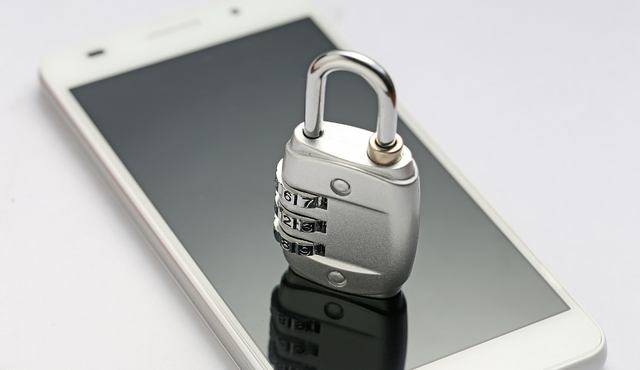
You’ve probably seen “locked” and “unlocked” when shopping for phones and wondered whether those labels actually change what you can do with the device or how much cash you’ll get for it. An unlocked phone is simply not tied to a single carrier, and that freedom usually increases its resale or buyback value.
This piece will explain what locked versus unlocked means, how carriers enforce locks, and when unlocking makes financial sense for you. Expect clear guidance on switching carriers, the unlocking process, and practical tips to maximize your phone’s buyback price so you can decide whether unlocking is worth the effort.
What Is an Unlocked Phone vs. a Locked Phone?
An unlocked smartphone lets you choose the carrier and swap SIMs without software barriers. A carrier-locked phone restricts which networks you can use until you meet the carrier’s unlocking requirements.
Definitions and Key Differences
An unlocked phone can accept any compatible SIM and connect to carriers that use the phone’s supported bands and technologies. You keep the freedom to switch plans, use local SIMs when traveling, or sell the device without carrier ties.
A locked phone — sometimes called a carrier-locked phone — contains software or firmware settings that limit service to a single provider. That limit doesn’t change the phone’s hardware like the camera or processor, only which networks it will register with until unlocked.
Key practical differences: unlocked phones often receive manufacturer updates faster because carriers don’t have to approve them; locked phones may come with carrier apps (bloatware) and tied-in promotions or subsidies. Check model numbers and band support to confirm an unlocked device truly works with your chosen network.
Carrier Lock and SIM Restrictions
A carrier lock prevents a phone from accepting SIM cards from other providers. If you insert a different carrier’s SIM into a locked smartphone, the device typically displays a “SIM not supported” or similar message and won’t connect to that network.
Carriers usually unlock phones once contractual terms or payment requirements are met. US rules require reasonable unlocking policies; still, unlocking procedures vary by carrier and sometimes need a request through your account or customer support. Confirm with your carrier before buying a used device.
Even unlocked phones aren’t magically compatible with every network. Network compatibility depends on supported radio bands and technologies (GSM, CDMA, LTE, 5G). Use the phone’s model number and the carrier’s band list to verify compatibility, especially for North American carriers with differing frequency use.
Common Misconceptions
You might think a locked phone is physically different or less capable; it isn’t. Locked and unlocked variants of the same model share identical hardware. The difference lies in software restrictions and which carrier the phone will accept.
Another misconception is that unlocking voids warranties or is illegal. Unlocking through your carrier after meeting conditions is standard and shouldn’t void manufacturer warranties. Also, unlocked does not guarantee universal service — frequency and band support still determine whether your phone will get voice, text, or high-speed data on a new network.
Some buyers assume unlocked phones always cost more. Carriers often subsidize locked phones with promotions, making upfront price comparisons misleading. Factor resale value and long-term flexibility when you decide whether to buy unlocked or carrier-locked.
How Unlocking Works and Why Phones Are Locked
Phones get locked to restrict use to a specific carrier, to protect financing agreements, and to meet regional network requirements. Unlocking removes that restriction so you can install a different SIM or activate an eSIM on a compatible network.
Reasons for Carrier Locks
Carriers lock devices sold with discounts or installment plans to ensure customers complete payments or meet contract terms. If you buy a phone on a monthly financing plan, the carrier typically keeps the device locked until the balance is paid or a minimum time period elapses. Prepaid phones commonly stay locked longer than postpaid phones.
Carriers also use locks to deter theft and fraud by making stolen devices harder to activate on other networks. Network agreements and promotional rules can require temporary locking even for full-price purchases, often for around 60 days.
Unlocking a Phone: Step by Step
Start by checking your account status and meeting any carrier requirements: paid-off balance, account in good standing, and minimum active days. Then submit an unlock request through your carrier’s website, app, or store. Carriers usually respond within a set timeframe; for example, some follow CTIA-style commitments to act within two business days.
When approved, the carrier may push an over-the-air unlock, provide an unlock code, or give instructions to install a new carrier SIM. After you insert a different SIM card, restart the phone to complete activation. If something fails, contact the carrier; many issues stem from incompatible firmware, unpaid balances, or incorrect IMEI information.
eSIM and Embedded SIMs
An eSIM (embedded SIM) stores carrier credentials digitally and lets you switch carriers without swapping physical SIM cards. If your phone supports eSIM, unlocking may mean enabling the device to accept carrier profiles besides the original provider’s. Some carriers restrict eSIM provisioning even when physical SIMs can be unlocked.
Manufacturers like Apple and Samsung include eSIM support in many recent models, but availability varies by country and model. You must confirm eSIM support and carrier eSIM policies before expecting seamless switching. If you travel internationally, eSIM often simplifies local activation—but check compatibility with the destination carrier first.
Network and Device Compatibility
Unlocking only removes software restrictions; it doesn’t change radio hardware. Your phone must support the frequency bands and air interface (GSM, CDMA, LTE, 5G) used by the new carrier. For example, a device built for certain U.S. bands may not fully work on a European LTE or EE network even if unlocked.
Before you switch, check the phone’s IMEI or model number against the receiving carrier’s compatibility checker. You should also confirm VoLTE and 5G compatibility to preserve voice and data performance. If the phone lacks required bands or features, unlocking won’t guarantee full service.
Switching Carriers and Plan Flexibility
An unlocked phone gives you the freedom to move between networks when coverage, price, or travel needs change. Understanding how prepaid vs. postpaid plans, early termination fees, and MVNO compatibility affect that freedom helps protect resale value and avoid unexpected costs.
Switching Carriers with an Unlocked Device
If your phone is unlocked, you can usually use a different carrier by inserting a new SIM card or setting up an eSIM. Check that the device supports the target carrier’s network technology (GSM vs CDMA) and the required frequency bands; compatibility matters more than the lock status.
You’ll also need to confirm the phone isn’t tied to an account restriction or unpaid balance. Carriers often refuse to activate devices that are blacklisted for nonpayment or reported lost. When you switch, transfer or port your number to keep continuity; most carriers handle porting within a few hours to a day.
For international travel or switching to a regional provider, confirm roaming and voice/text/data support first. The FCC explains how unlocking works and notes that unlocking does not guarantee full compatibility with every network (https://www.fcc.gov/consumers/guides/cell-phone-unlocking).
Prepaid Plans vs. Postpaid Plans
Prepaid plans let you pay up front for service and often require phones to remain locked longer, especially if the carrier subsidized the device. Prepaid offers can include discounted devices that stay locked for a set period—verify the carrier’s unlocking policy before purchase.
Postpaid plans usually involve financing or an installment agreement and may require credit checks. Carriers typically unlock postpaid phones after you finish payments or meet the contract terms. If you bought a phone at full retail from a carrier, it may still be locked for a short confirmation period—ask for the exact unlock window.
When comparing plans, consider how long you plan to keep the phone. If you expect to switch carriers within a year, an unlocked device or a full-price purchase reduces friction and preserves your device’s buyback value.
Early Termination Fees and MVNOs
If you leave a postpaid contract early, your carrier may charge an early termination fee or require payoff of an installment plan. Those unpaid balances can block unlocking until you settle the account, affecting your ability to switch carriers or sell the phone.
Mobile virtual network operators (MVNOs) resell access to major networks and generally accept unlocked phones that are technically compatible. However, some MVNOs limit services (e.g., video quality or hotspot) or require specific APN settings. Verify compatibility and any device-specific restrictions before moving to an MVNO to avoid service gaps.
If you plan to sell or trade your phone, clear any outstanding carrier obligations and request an official unlock. Buyers and buyback services pay more for devices without carrier restrictions or unpaid balances.
Does Unlock Status Impact Your Phone’s Buyback Price?
Unlocked phones typically fetch higher offers than carrier-locked devices, but the exact difference depends on model, condition, and market demand. Carriers, third‑party buyback sites, and local buyers all value unlock status differently.
Buyback Value Comparison
When you sell phone models like the iPhone 13 or Galaxy S22, unlocked variants often command a premium of $20–$150 versus the same model locked to a carrier. Trade‑in programs from carriers may give similar or lower credit for locked devices because resale options are limited to that carrier’s network. Third‑party buyers and marketplaces prefer unlocked phones since they can resell to more buyers, which raises offers.
Check prospective buyers’ pricing pages when you sell phone units. Look for line items that list “locked” or “network locked” adjustments. If the phone lacks full functionality (e.g., missing bands or active carrier financing), expect additional deductions beyond the standard locked-versus-unlocked gap.
Why Unlocking Increases Resale Value
Unlocking a phone removes software restrictions so anyone with a compatible SIM can use it, expanding the buyer pool. That broader market reduces resale risk for buyers and increases competition, which raises the price you can get when you sell phone units.
Unlocking also simplifies the listing: you can advertise “unlocked” in titles and filters used by buyers and platforms, improving visibility. If you’re unlocking a device still under a payment plan, confirm the carrier’s eligibility rules first; phones with unpaid balances may remain ineligible for reliable unlocks and buyers will discount for that risk. For step‑by‑step unlocking rules and carrier policies, consult a carrier unlock guide such as this one on how to unlock a phone.