

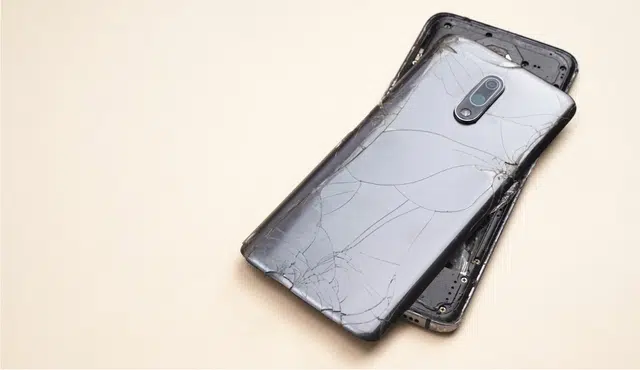
You can cut waste and conserve valuable materials by recycling electronics instead of tossing them. Recycling recovers metals and components, reduces demand for new mining, and keeps devices circulating in a closed-loop system that lowers environmental impact.
This post will explain how recycling powers a circular economy and what practical steps you can take to make a difference. You’ll also learn how Gizmogo facilitates responsible reuse, refurbishment, and recycling so your old devices avoid landfills and re-enter productive use.
How Electronics Recycling Drives a Circular Economy
Electronics recycling reduces landfill waste, recovers valuable materials, cuts manufacturing energy, and keeps devices in use longer through repair and refurbishment. You gain clearer environmental and cost benefits when systems prioritize proper collection, material recovery, and product design for repairability.
Reducing E-Waste and Environmental Impact
You prevent toxic contamination by ensuring devices enter formal recycling streams rather than landfills or informal dumps. Proper collection and treatment remove hazardous components such as lead, mercury, and brominated flame retardants, reducing soil and water pollution and lowering public health risks.
Use collection options like take-back programs, civic drop-off points, and business pick-up services to keep e-waste contained. At authorized facilities, depollution and mechanical separation stop hazardous flows and enable higher material recovery rates. This reduces the volume of electronic waste you or your organization send to landfill.
Resource Conservation and Energy Efficiency
Recycling electronics recovers metals and plastics that would otherwise require energy-intensive mining and virgin production. For example, recycling aluminum and copper yields substantial energy savings compared with primary extraction, cutting embodied carbon in new devices.
When you choose recycled content or reuse recovered components, you reduce demand for critical raw materials such as cobalt, lithium, and rare earths. That lowers supply-chain vulnerability and supports environmental sustainability by decreasing water use, emissions, and ecosystem disruption tied to primary resource extraction.
Extending Device Lifecycles Through Refurbishment
Refurbishment keeps functional electronics in use longer, delaying their entry into the waste stream. You can extend a laptop or phone’s useful life through testing, component replacement, secure data erasure, and software updates — often adding several years of service.
Refurbished devices serve education, budget consumers, and corporate reuse programs while reducing the need for new production. When you support certified refurbishment channels, you maximize the environmental benefits of reuse and reduce per-device lifecycle carbon and material footprints.
Design Strategies for Repairability and Sustainable Electronics
Design choices determine how easy it is to repair and recycle electronics. You should prioritize modular components, standard fasteners, clear disassembly guides, and accessible spare parts to improve repairability and end-of-life material recovery.
Manufacturers that adopt these design strategies enable longer product lifespans and higher recycling yields. You can push for such features through procurement policies, warranties that support repair, and by selecting products with documented recyclability and repair scores. This aligns product design with circular economy goals and makes recycling more effective for you.
Gizmogo’s Role in Responsible Electronics Recycling
Gizmogo gives you concrete options to extend device lifecycles, recover value, and avoid landfill disposal. The company combines buyback incentives with logistics and downstream recycling controls so your used electronics get reused or processed responsibly.
Innovative Device Trade-In and Buyback Programs
Gizmogo’s trade-in and buyback programs let you sell phones, laptops, tablets, and other gadgets for cash or account credit. You receive an instant quote after entering make, model, and condition; accepted devices ship for payment without negotiation.
These programs prioritize working and repairable units for refurbishment and resale, which reduces demand for new manufacturing. Gizmogo also offers promotional credits for first-time recyclers to encourage participation and reuse.
What matters to you: transparent pricing for specific models, clear condition tiers, and a fast payment path once Gizmogo inspects the device. That keeps more devices circulating in a circular economy and diverts material from hazardous disposal.
Recycling Programs and Prepaid Shipping Boxes
When your device no longer functions or fails refurbishment criteria, Gizmogo routes it into a recycling program with prepaid shipping options. You can request a prepaid shipping label or use a provided box to send multiple items in one shipment.
Prepaid shipping boxes simplify logistics and reduce barriers to participation; you don’t need to source packaging or pay postage. Gizmogo’s online portal tracks your shipment status so you know when the item arrives and when your transaction completes.
For bulk or business users, Gizmogo supports consolidated pickups or larger prepaid kits, lowering per-device shipping costs and making it easier for you to recycle batches of used electronics responsibly.
Ensuring Responsible Recycling Processes
Gizmogo works with certified downstream partners who follow environmental and data‑security standards to dismantle and recycle components. Partners extract recoverable metals (gold, copper, aluminum) and safely manage hazardous substances like lead and mercury.
You get data‑sanitation guarantees for devices that contain personal information; Gizmogo documents device handling and offers proof of destruction or data wipe when requested. That protects your privacy while ensuring materials re-enter supply chains.
Key operational controls include chain-of-custody tracking, partner audits, and documented material recovery pathways. Those measures help you confirm that when you send a device to Gizmogo, it is refurbished, reused, or recycled in line with responsible recycling practices rather than being exported as uncontrolled e‑waste.