

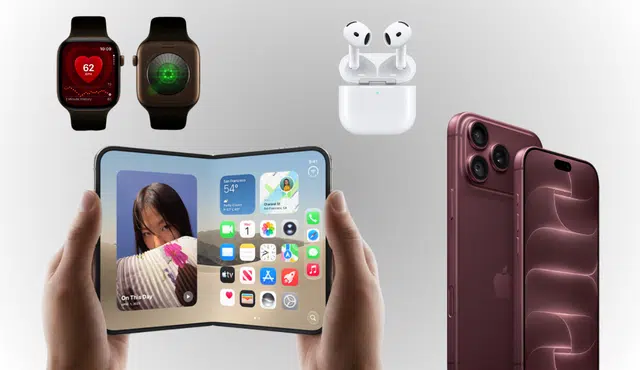
Apple’s September 8, 2026 keynote confirmed the biggest hardware shift the company has made in years, with the iPhone 18 family debuting alongside the surprise iPhone Duo foldable and Apple Watch Ultra 3. That single announcement changes the math for anyone holding an iPhone 15, an aging Apple Watch, or a Mac that’s a few generations behind. New Apple silicon, new cameras, and a new foldable category all landed at once, and each one puts different pressure on what your current device is worth.
This is the moment resale values start moving, not after the holidays. Once a new iPhone, Watch, or Mac ships, the previous generation’s trade-in and resale price begins a gradual slide as buyers redirect demand toward the newest model. Selling before that slide accelerates, rather than after it’s already priced in, is what separates a good trade-in from a disappointing one.
Apple’s 2026 lineup also brought software changes worth watching. WWDC previewed the Apple Intelligence features arriving with iOS 27, and battery life claims on the new iPhone 18 Pro and Apple Watch Series 12 give upgraders a concrete reason to switch. For owners deciding whether to sell, hold, or trade in, the next sections break down which older devices just became sell candidates and how to move fast before values drop further.
Which 2026 Upgrades Make Your OIder Apple Device a Sell Candidate?
Apple’s fall 2026 lineup replaced or repositioned nearly every major product category, and each new release creates a specific resale window for the model it supersedes. The iPhone 18 Pro range, Apple Watch Series 12, AirPods 5, M5 Macs, refreshed iPads, and updated smart home hardware all shift demand away from older devices in ways that are easy to track once you know what changed.
iPhone 18 Pro, iPhone 18 Pro Max, and the Models They Supersede
The iPhone 18 Pro and iPhone 18 Pro Max make the iPhone 15 Pro and iPhone 16 Pro your clearest sell candidates. Both new models run the A20 Pro chip, built on TSMC’s 2nm process, and the Pro Max adds a variable aperture lens alongside the 48MP Fusion main camera, both firsts for the standard camera app experience.
A redesigned vapor chamber and revised MagSafe layout also point to real thermal and charging gains, not just marketing language. If you’re carrying an iPhone 15 Pro or earlier, that’s a two-generation gap that typically pulls resale value down faster once buyers can compare Dynamic Island cameras side by side. Selling now, before the broader market absorbs the new Pro Max, tends to capture more of the remaining value.
iPhone Duo and the Case for Selling a Recent iPhone Before Going Foldable
The iPhone Duo is Apple’s first foldable phone, and it changes the calculus for anyone holding a flagship iPhone bought in the past two years. Early coverage describes the iPhone Duo as a genuine “One More Thing” surprise unveiled alongside the standard iPhone 18 lineup, distinct from earlier iPhone Fold and iPhone Ultra rumors that circulated through the year.
If you’re tempted by the fold format, selling your current iPhone before committing is the more practical order of operations. Foldables carry a price premium, reported as high as $2,400 in early estimates, so maximizing what you get for your existing phone matters more than usual. A recent iPhone 16 or iPhone 17 still commands solid resale value now; that number only shrinks as Duo supply expands and more sellers list similar trade-ins at once.
Apple Watch Series 12 and Apple Watch Ultra 4 Upgrade Decisions
Apple Watch Series 12 and Apple Watch Ultra 4 both ship with the S12 chip and expanded satellite features, and that combination is what makes older Apple Watch models worth listing now. WatchOS updates tend to keep older Watches functional for years, so the sell decision comes down to hardware capability rather than software cutoffs.
Owners of an Apple Watch Series 8 or earlier, or an original Apple Watch Ultra, are the most likely candidates to see faster depreciation as Series 12 and Ultra 4 stock reaches stores. The Apple Watch SE remains the budget option in Apple’s lineup, and its resale value tends to hold steadier since it wasn’t part of this generation’s headline upgrades. If you’re on a Series 9 or Ultra 2, holding through one more cycle is reasonable since the jump to Series 12 isn’t dramatic enough to justify an immediate sale for every owner.
AirPods 5 and When to Replace Older Earbuds or Headphones
AirPods 5 puts the clearest resale pressure on original AirPods Pro and standard AirPods from two or more generations back. AirPods Pro 3 and AirPods Max 2 owners have less urgency, since Apple’s most recent premium releases still compare favorably on features like noise cancellation and case battery life.
The rumored AirPods Ultra, positioned above AirPods Max, hasn’t shipped yet, so current AirPods Max owners don’t face immediate depreciation risk. Earbuds and headphones generally hold resale value shorter than iPhones or Macs, since buyers are wary of battery wear in earbuds specifically. If your AirPods are original-generation or first-gen AirPods Pro, listing them now, while they still function fully, is more practical than waiting.
M5 MacBook Air, MacBook Neo, and MacBook Pro Upgrade Paths
The M5 chip generation across MacBook Air, MacBook Pro, and the newly introduced MacBook Neo creates the widest resale gap in Apple’s 2026 lineup. MacBook Air M5 replaces the M3 Air as the mainstream recommendation, and M3 Air owners are now sitting on the model with the steepest coming depreciation curve.
MacBook Pro buyers face a more layered decision. The M5 Pro and M5 Max chips power this generation, and rumors point to an OLED, touchscreen MacBook Pro arriving in a later cycle, which could pull resale value down further on current Pro models once that display technology ships. If you’re using an Intel-based MacBook or an M1 Pro, selling now avoids competing with a flood of M5 Pro trade-ins later. For current M3 or M4 MacBook Pro owners, holding until the OLED transition is confirmed is the safer play; you can compare offers using a MacBook Pro 2024 estimate or a MacBook Pro 2023 quote to see where your model sits today.
Mac mini, Mac Studio, and iMac Desktop Replacement Signals
Mac Studio’s move to the M5 Ultra chip is the standout desktop change, giving professional users a clear reason to retire M2 Ultra or M1 Ultra Studio units. Mac mini also picks up the M5 generation, while the iMac is expected to move to OLED display technology in a future refresh, a change worth watching if you own the current LCD iMac.
Desktop Macs depreciate slower than laptops since fewer buyers need portability, but the M5 Ultra’s performance jump is significant enough to affect Studio resale specifically. If you’re running an older Mac mini 2024 for basic tasks, upgrade pressure is minimal. If you’re on Intel Mac mini hardware or an early Apple Silicon iMac, selling before the OLED iMac ships keeps you ahead of the value drop that redesign will likely cause.
iPad Air, iPad 12, and iPad mini 8 Upgrade Considerations
iPad mini 8 is the headline iPad release for 2026, and it puts the most resale pressure on iPad mini 6 owners who have waited multiple years for a refresh. iPad Air and the standard iPad 12 also received updates, both running current iPadOS 27 features without requiring the Apple Pencil Pro for basic functionality.
iPad Pro remains the premium tier, and its resale value tends to hold better than Air or mini models since professional buyers replace it less frequently. If you own an iPad Air from two generations back, checking a current iPad Air 11 2026 trade-in value shows how much of that gap has already been priced into offers.
HomePod mini 2, Apple TV 4K, and Smart Home Hardware to Reassess
HomePod mini 2 and a refreshed Apple TV 4K anchor Apple’s push into a broader smart home hub strategy, and both devices make older HomePod and Apple TV units logical sell candidates. Apple’s reported roadmap includes a dedicated smart home hub product, which would extend HomeKit control beyond what the current Siri Remote and standalone speakers handle.
An Apple smart home camera and home security camera line have also been part of Apple’s rumored 2026 plans, expanding HomeKit’s reach into home security. If you’re using an original HomePod mini or an Apple TV HD, those products sit furthest from current features like Wi-Fi 7 support, and their resale value is unlikely to improve from here.
How to Sell Apple Devices Before Resale Values Fall
Selling before a new Apple release fully reaches retail shelves is the single biggest lever you control over resale price. iOS 27 and macOS 27 bring Apple Intelligence features like improved Siri responsiveness, visual intelligence, and Image Playground to compatible devices, and that software gap becomes another factor buyers weigh once new hardware ships.
When Is the Best Time to Sell Before a New Apple Release?
The best time to sell is in the first few weeks after Apple’s announcement, before broad retail availability catches up with demand. Once the iPhone 18 Pro, Apple Watch Series 12, or M5 MacBook Air are widely in stock, more sellers list the same older models at once, and prices soften as supply increases.
Trade-in guides tracking 2026 iPhone values point to a real gap between Apple’s own credit and third-party offers, noting an iPhone 16 Pro Max worth up to $695 in Apple credit against $740 cash from outside buyers, a $45 difference tied to timing. That gap tends to close as new models saturate the secondhand market.
Waiting past a launch rarely improves your outcome. If you’re on the fence about a 2026 upgrade, get a quote now and decide from there rather than after the next product cycle narrows your options.
How to Prepare an iPhone, Mac, iPad, Watch, or AirPods for Sale
Preparing a device properly can raise your offer by removing the friction buyers and buyback services penalize. Back up your data, sign out of iCloud, and factory reset before requesting any quote, since most buyback services require a clean device to finalize an offer.
A short checklist covers most devices:
- Turn off Find My iPhone, Find My Mac, or Find My Watch
- Sign out of iCloud and disable Activation Lock
- Back up photos, files, and health data you want to keep
- Factory reset the device to erase personal data
- Include original cables or the charging case for AirPods
Cosmetic condition matters too. A cracked screen or a battery reported below 80% health typically lowers offers more than minor scuffs. If you’re preparing an iPhone specifically, a pre-sale checklist walks through the same steps in more detail, and reviewing tips to maximize profit before selling your phone can help you avoid common mistakes that shave value off an otherwise clean device.
What Features Can Change Demand for Older Apple Hardware?
Software-exclusive features tied to new silicon can drop demand for older devices faster than the hardware itself ages. Apple Intelligence, Siri’s AI upgrades, and features like Clean Up and spatial reframing require newer chips to run well, and that requirement pushes buyers toward recent models even when an older device still functions perfectly.
Display technology shifts carry similar weight. Rumors of an OLED, touchscreen MacBook Pro and a future MacBook Ultra suggest Apple’s laptop lineup is heading toward a bigger redesign, which could pull current MacBook Pro resale values down once that shift is confirmed. Similarly, Vision Pro’s positioning against rumored AI smart glasses may reshape how buyers value spatial computing hardware going forward.
Rumored budget and anniversary models add more variables. An iPhone 18e, a possible iPhone Air 2, and talk of a 20th-anniversary iPhone could each pull attention (and resale demand) away from current mid-tier models once details firm up. Apple’s periodic promotion cycles and trade-in bumps, like the one referenced in current iPhone trade-in coverage, also shift short-term demand independent of the hardware itself.
Why Gizmogo Is a Fast Way to Turn Old Apple Devices Into Cash
Gizmogo gives you a direct path to cash for iPhones, Macs, iPads, Apple Watches, and AirPods without the back-and-forth of a private sale. You get a quote based on your device’s model and condition, ship it in, and receive payment without waiting on buyer negotiations or marketplace listings.
That speed matters most right now. With the iPhone 18 Pro, Apple Watch Series 12, and M5 Macs already reaching buyers, older models lose ground every week retail availability expands. Checking a quote for your iPhone, MacBook Pro, or other Apple device before deciding whether to sell, hold, or trade in gives you a real number to compare against Apple’s own trade-in offer or a private buyer.
Getting that quote costs nothing and takes a few minutes. Given how fast 2026’s lineup is reshaping resale values across every Apple category, that’s a low-effort way to lock in value before it slips further.
Conclusion
Apple’s 2026 releases, from the iPhone 18 Pro and iPhone Duo to the M5 Macs, Apple Watch Series 12, and refreshed iPads, have already started reshaping what older devices are worth. Each new model narrows the gap buyers are willing to pay for the previous generation, and that pressure builds fastest in the weeks right after launch.
Selling before that window closes, rather than after new stock fully reaches the market, is the most reliable way to protect what your current iPhone, Mac, Watch, iPad, or AirPods are still worth. Preparing your device properly and comparing a quote against Apple’s trade-in program gives you a clear basis for that decision, backed by numbers instead of guesswork.